
Dead Certain
A Game for the Living by Patricia Highsmith

This is a very effective book — murder story, crime thriller, mystery novel: whatever you want to call it. It is put together with unpretentious efficiency. The whole thing moves at pace. And everything in it seems to matter and to have weight as the characters move inexorably, and not always knowingly, toward its ultimate object.
First, a little digression. Patricia Highsmith is certainly best known, and justly most acclaimed, for her series of novels about Tom Ripley, a charming sociopath whose violence is entirely self-interested, but whom readers cannot bring themselves to hate. He is a liar and schemer, a forger and a killer, and by and large these things are perversely justified. The readership’s normal sympathies are so subverted by Highsmith’s skill that they excuse, even cheer on, the inexcusable.
This is what all the critics say, and there’s no reason to declare them wrong.
But I also found a secondary source of pleasure in the things that drive Ripley. In the first novel he is scrappy and poor, aspiring to, and killing for, the ease and money enjoyed by another.
In the later books, on the back of this usurpation, he has a house in the country, a beautiful wife, an elegant garden, a dutiful housekeeper, elegant pictures on the walls. Life is good, and in normal times, his struggles consist of battling against the carpenter ants, working in the garden, and keeping up with his harpsichord lessons. That is until someone needs deceiving or defrauding or killing, lest they ruin the whole thing.
Ripley’s taste for the finer things, and the comfortable luxury of his country living, are endearing enough to justify his trail of murder. They are the home and lifestyle he must protect.
This is a touch different from other Highsmith protagonists, who often are moderately successful suburbanites, largely thrown into something awful which is initially over their heads: Strangers on a Train had just enough slack to allow for a major rewrite in favour of a Hitchcockian ‘Wrong Man’ story in film. Or where bitter men whom life has disappointed enter into devils’ bargains, or begin down grim paths none in their right mind would wish to follow — for example, Deep Water, The Blunderer.
Many of these characters either will on their own destruction or pursue some other objective, beyond reason, in the vain hope of saving face. It is the fiction of a self-conscious, unsure age.
What is most engaging about A Game for the Living is that it is a fusion of the two types, wrapped in mystery and with a touch of police procedural. To say too much is to ruin hours of pleasure, but a little set-up might be permitted.
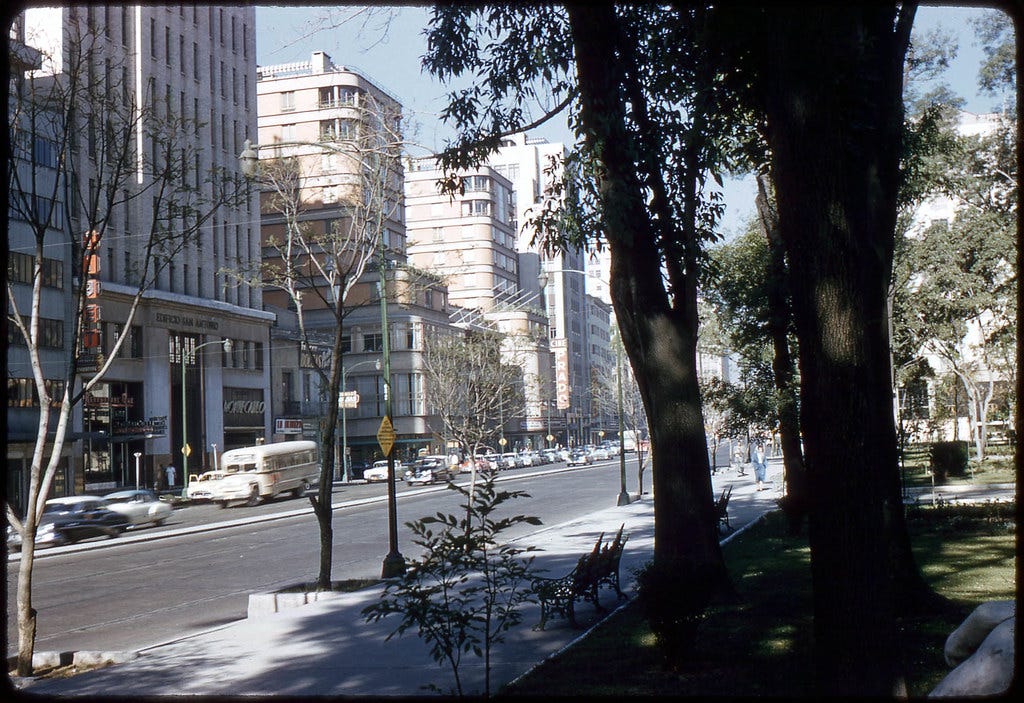
The story begins in Mexico City. Theodore is an artist, an undistinguished one, but a man accepting of his circumstances, and only occasionally given to depression. He has private means, but unlike Ripley, he did not fight and kill to acquire them. He wears his money easily because its arrival in his pockets is regular, and really no business of his.
His house, with a charming live-in maid, is at the service of anyone who wants to stay; Theodore just lives there. He is tolerant of others to a fault, possibly too trusting, and willing to give cash away in a personal effort at social justice and redistribution.
Theodore loves Leila; and so does a friend of his, a poor carpenter called Ramon. But this is fine — the two are content to share her affections. They are even capable, in Theodore’s mind, of being friends.
But when Theodore arrives back from a trip in which he has been painting, he finds Leila dead — murdered, and nastily cut up. His first thought is to suspect Ramon.
To say any more about the plot would be, for want of a phrase, criminal, but allow me to praise it in general terms. The settings are economical without being caricatures. One feels as if one is in a Mexico recognisable from books and television, but not Sunday morning cartoons.
Highsmith can describe Mexico City and coastal towns, ossuaries and cathedrals, in a few words which read quickly and resonate. Her dialogue is functional and realistic. Her characters, even the most inclined to generic convention and stereotype, are real people. Her depiction of Catholicism — largely self-administered agony and guilt — never disappears down Graham Greene’s navel.
This may not be her greatest novel, but it is an achievement in its own way. Rarely showy or sparkling, but robust of structure, machine-tooled for readability, and possessing enough moments of suspense, of genuine horror, and of infuriation to ensure the reader never grows complacent.
Compared to other efforts of hers, there is little of high anxiety or the grotesque which twenty-first century critics adore — but so carefully is this book written and plotted, that the reader suspects and fears more than is made clear. It is an achievement worthy of a genre writer so lauded.